Medical Laboratory Services Accurate Medical Laboratory Testing Services in Lagos.

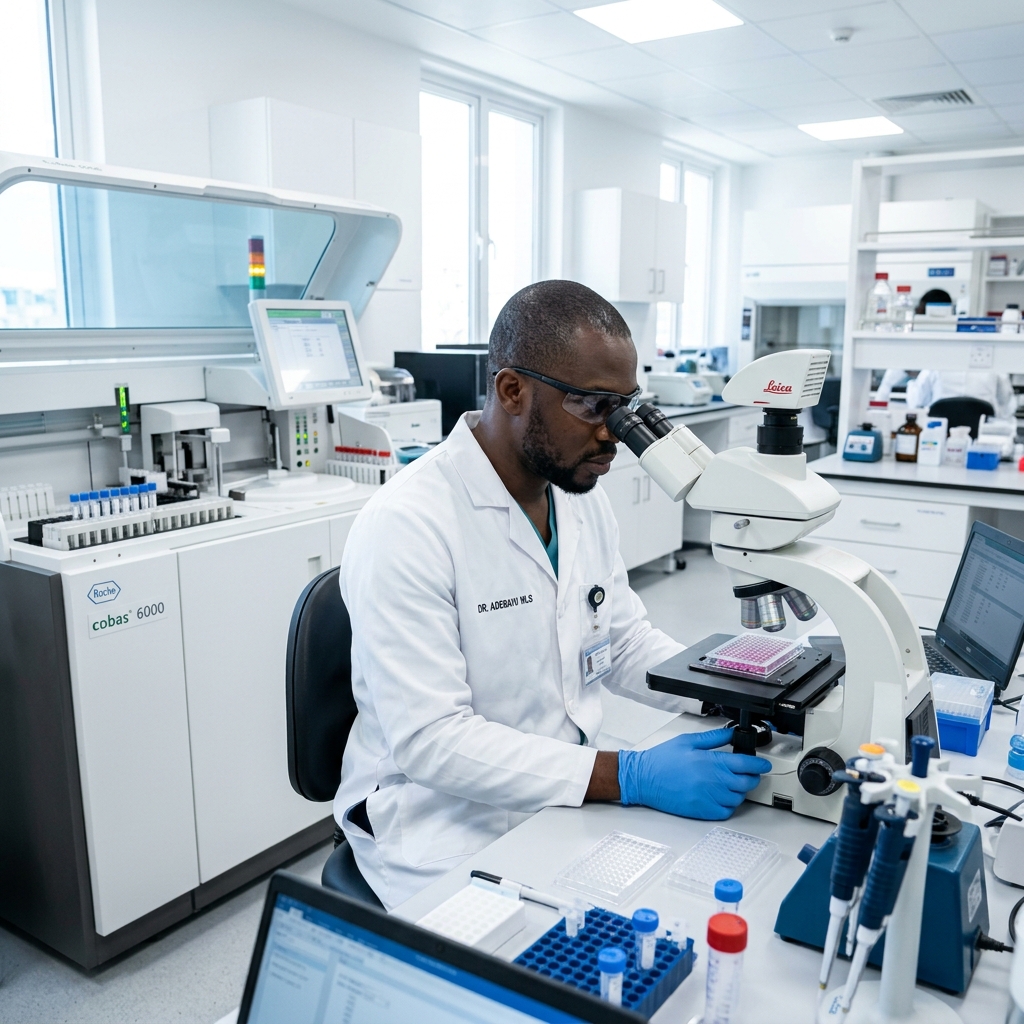
Licensed pathologists and state-of-the-art laboratory equipment ensuring precise diagnostics for targeted clinical treatments. Check out our specialized laboratory departments below.
Serology & Immunology

High-sensitivity screening for antigens, viral antibodies, and systemic immune responses. Includes HIV Screening, Hepatitis B Surface Antigen (HBsAg), Hepatitis C Screening, Widal Test, C-Reactive Protein (CRP), and clinical Pregnancy Testing.

Frequently Asked Questions

Haematology & Blood Morphology

Specialized testing to detect anemia, blood clotting disorders, and blood-borne infections. Includes Full Blood Count (FBC), Packed Cell Volume (PCV), Erythrocyte Sedimentation Rate (ESR), Blood Film for Malaria Parasites, Genotype Testing (HbAA, HbAS, HbSS), Blood Grouping & Rhesus Factor, and full Clotting Profiles.

Frequently Asked Questions

Clinical Chemistry (Chemical Pathology)

Metabolic panel testing to monitor vital organ function, blood glucose, and cardiovascular risks. Includes Fasting Blood Sugar (FBS), Random Blood Sugar (RBS), HbA1c, Lipid Profile, Uric Acid, Serum Calcium, Kidney Function Tests, Liver Function Tests, and Electrolyte, Urea & Creatinine (E/U/Cr).

Frequently Asked Questions

Medical Microbiology

Precise culture and microscopy to isolate infectious pathogens and identify exact antibiotic sensitivities. Includes Urine, Stool, High Vaginal Swab (HVS), Urethral Swab, Wound Swab, and Sputum Microscopy, Culture and Sensitivity (MCS), along with Semen Analysis.

Frequently Asked Questions

Parasitology & Urinalysis
  • Rapid, accurate identification of parasitic infestations and urinary tract abnormalities. Includes Malaria parasite testing, stool parasitology, Urine examination for Schistosoma haematobium, and routine Urinalysis (Protein, Glucose, Ketones, pH, and Specific Gravity).

Frequently Asked Questions

https://maymedics.com/wp-content/uploads/2020/06/large_blue_triangle_04.png
https://maymedics.com/wp-content/uploads/2026/10/image_ebabb0d4.jpg
https://maymedics.com/wp-content/uploads/2020/04/small_blue_triangle.png

Haematology & Blood Morphology

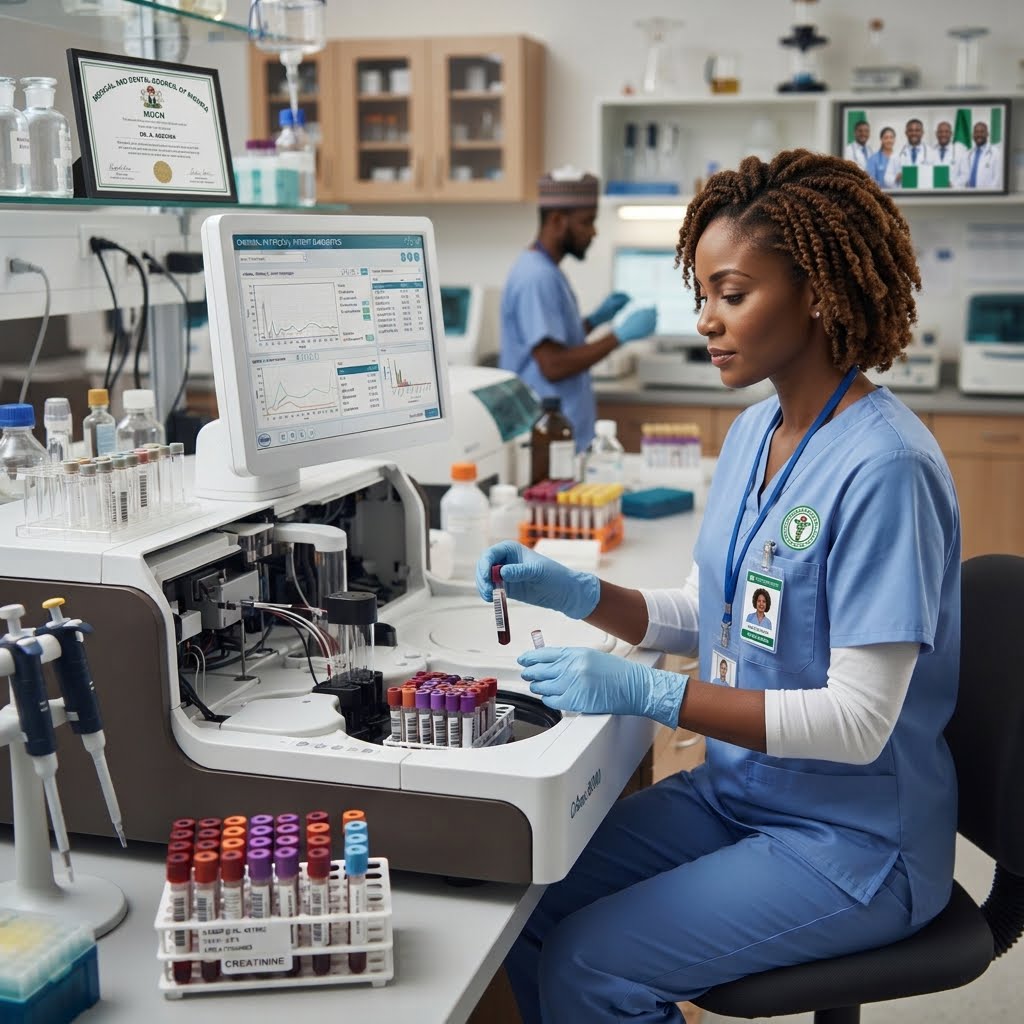
May Medical Diagnostic Centre provides advanced Haematology and Blood Morphology testing across Lagos to accurately analyze your blood cells, diagnose anemia, and detect complex blood disorders.
https://maymedics.com/wp-content/uploads/2020/04/service-02.jpg
Haematology & Blood Morphology: Frequently Asked Questions (FAQs)
What is Haematology & Blood Morphology?

Your blood is a complex fluid that carries life-sustaining oxygen, fights infections, and prevents bleeding.

  • Haematology is the comprehensive study of blood, blood-forming organs, and blood diseases. It monitors the balance and numbers of your red cells, white cells, and platelets.
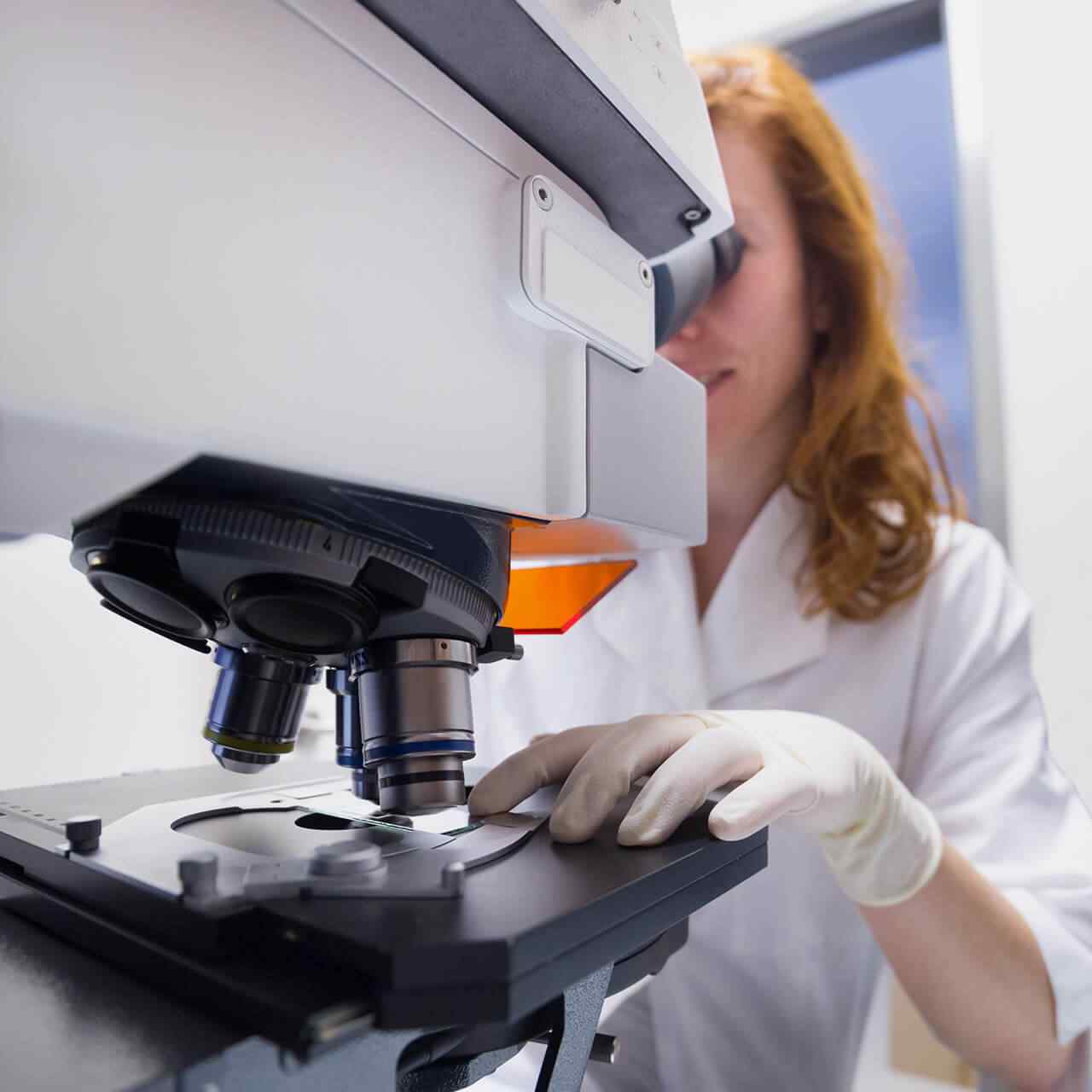
  • Blood Morphology is a specialized laboratory assessment where an expert pathologist physically examines a blood smear under a high-powered microscope. This step goes beyond numbers to evaluate the actual shape, structure, and physical health of individual blood cells.
Do I need to fast before a haematology or blood count test?

No, a standard Complete Blood Count (CBC) or blood morphology test does not require fasting. You can eat, drink, and take your regular medications normally. If your doctor has paired your blood profile with metabolic tests like a fasting blood sugar or lipid panel, you will need to fast for 8 to 12 hours.

Why did my doctor order a manual blood morphology test if I already had a CBC?

An automated machine counts your cells quickly, but it cannot always see subtle structural variations. A manual blood morphology analysis allows our pathologists to visually inspect the size, color uniformity, and shape of your cells, which is essential for diagnosing specific anemias, infections, or bone marrow disorders.
How quickly can I get my full blood count results?
Most routine haematology and CBC screenings at our main facilities are processed and verified within a few hours, allowing your healthcare provider to make timely medical decisions.


Clinical Chemistry & Chemical Pathology Services at May Medical Diagnostic Centre, Lagos

https://maymedics.com/wp-content/uploads/2026/10/Chemical-pathology.jpg
Clinical Chemistry & Chemical Pathology : Frequently Asked Questions (FAQs)
What is Clinical Chemistry & Chemical Pathology?

Every physiological process in your body leaves behind distinct chemical footprints in your bodily fluids.

  • Clinical Chemistry (also known as Chemical Pathology) is the branch of laboratory medicine that performs chemical and biochemical analyses on blood serum, plasma, urine, and other fluids.
  • By measuring exact levels of proteins, enzymes, electrolytes, and metabolic waste products, these tests provide a window into the structural and functional health of your vital organs before physical symptoms even escalate.
Do I need to fast before a Clinical Chemistry or metabolic test?

Yes, many routine clinical chemistry tests require strict fasting. For a Lipid Profile or a Fasting Blood Glucose test, you must fast (no food or drinks except plain water) for 8 to 12 hours before your sample collection. Skipping fasting can artificially skew your cholesterol and sugar readings, leading to inaccurate diagnostic assessments.

How quickly can I get my Kidney or Liver Function test results?

At May Medical Diagnostic Centre, routine clinical chemistry panels are automated and optimized. Most baseline results are fully verified and ready within 3 to 6 hours from sample collection.

What is the difference between a routine health check and a chemical pathology profile?
A chemical pathology profile is the scientific backbone of your routine health check. While a checkup includes physical exams, the chemical analysis of your blood reveals exact metabolic numbers that tell your physician how well your liver, kidneys, and heart are coping under the surface.

Medical microbiology laboratory in Nigeria

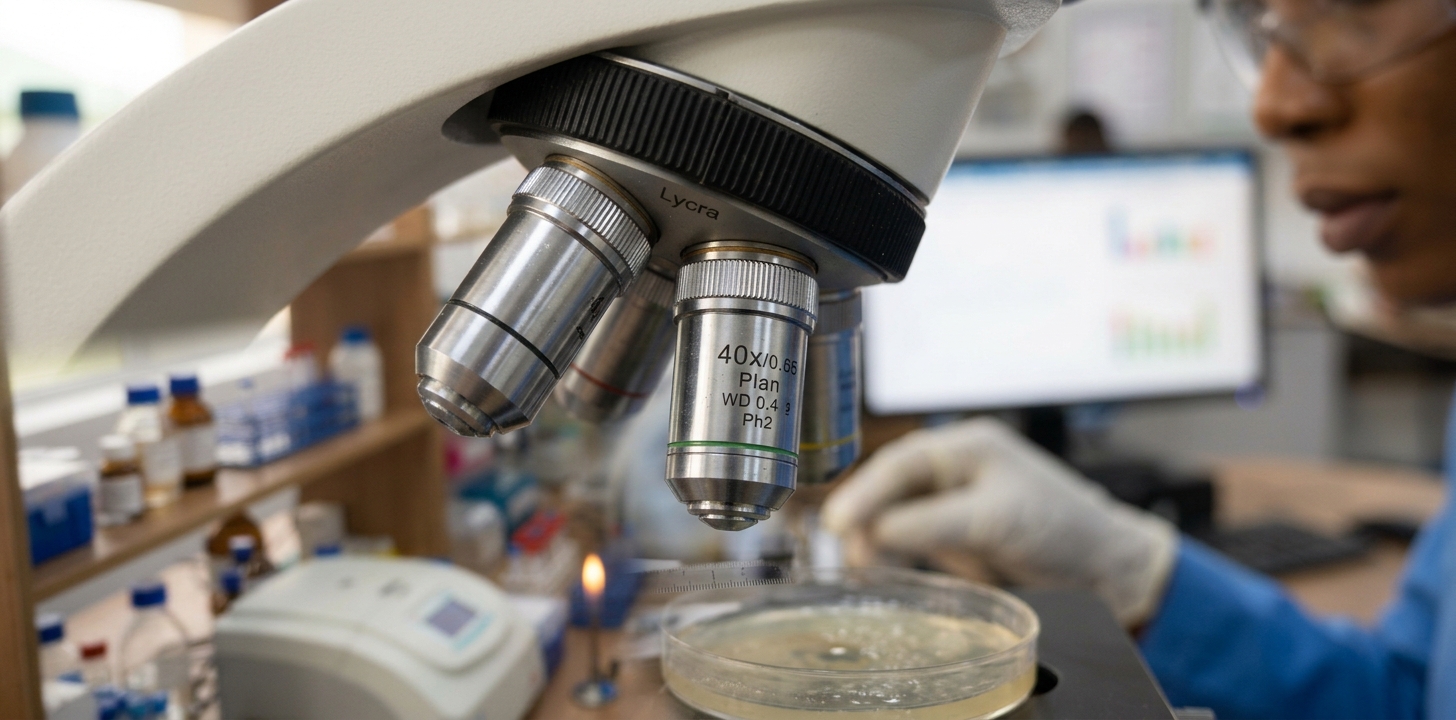
May Medical Diagnostic Centre provides comprehensive Medical Microbiology testing across Lagos and Nigeria to precisely identify infectious pathogens, isolate disease-causing microorganisms, and determine targeted antimicrobial treatments. By pairing advanced automated culture systems with expert microscopic evaluations, our laboratory delivers the critical data needed to treat bacterial, fungal, parasitic, and viral infections effectively while actively combating antibiotic resistance.
https://maymedics.com/wp-content/uploads/2026/10/image_ac7dd9d0.jpg
Medical Microbiology : Frequently Asked Questions (FAQs)
What is Medical Microbiology?

Infectious diseases can be caused by organisms that are invisible to the naked eye.

  • Medical Microbiology is the specialized branch of laboratory medicine focused on the prevention, diagnosis, and treatment of infectious diseases.
  • Rather than guessing which medication might work, microbiological diagnostics isolate the exact culprit—whether it is a bacteria, fungus, or parasite—and test it against specific medications to find the most potent cure.
Why does a Microbiology MCS test take 48 to 72 hours?

Unlike chemical blood tests that read instant values, microbiology relies on biology. Microorganisms must physically grow in a climate-controlled incubator before we can see them. Once grown, they require another 18 to 24 hours of exposure to various antibiotics to determine which drug kills them effectively.

Can I start taking antibiotics before presenting my sample?

No, you should ideally collect your sample before taking any antibiotic or antifungal medications. Antibiotics in your system can suppress or kill the pathogens in the sample, leading to a “false negative” culture result where nothing grows in the lab, even though your infection is still active.

What is an HVS MCS test?
An HVS (High Vaginal Swab) Microscopy, Culture, and Sensitivity test is a routine screening used to diagnose vaginal infections such as toilet infections, bacterial vaginosis, or yeast infections (thrush). It isolates the specific organism causing discomfort so you can receive targeted, effective treatment.

SERVICESOur Core Service Categories

Comprehensive Medical Laboratory
Accurate pathology testing across hematology, chemical pathology, microbiology, and immunology.
Advanced Medical Imaging & Radiology
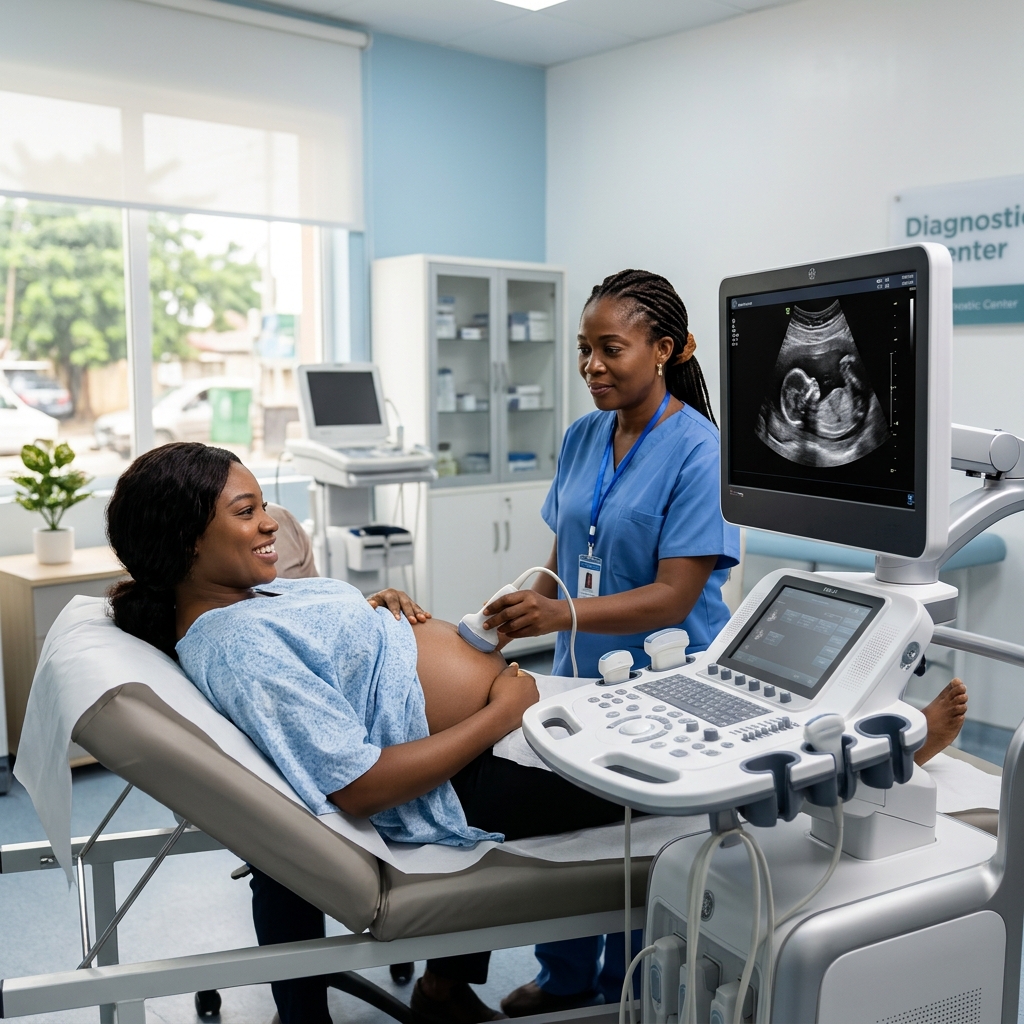
High-resolution imaging for precise internal anatomical viewing and pregnancy monitoring.
Executive & General Health Screening
Take control of your long-term wellness with curated, comprehensive medical screening plans designed for every stage of life.
Professional Sample Collection
Experience maximum comfort and strict clinical safety standards during your laboratory sample collection.
bt_bb_section_top_section_coverage_image
https://maymedics.com/wp-content/uploads/2020/04/small_blue_triangle.png

Schedule Your Test Today

Take control of your health with precise immune system insights.
bt_bb_section_top_section_coverage_image
https://maymedics.com/wp-content/uploads/2020/06/large_blue_triangle_02.png
https://maymedics.com/wp-content/uploads/2020/04/home_experience_07.jpg
https://maymedics.com/wp-content/uploads/2020/04/home_experience_08.jpg
https://maymedics.com/wp-content/uploads/2020/04/home_experience_02.jpg
https://maymedics.com/wp-content/uploads/2020/04/home_experience_04.jpg
https://maymedics.com/wp-content/uploads/2020/04/experience_02.png

Serology & Immunology

Frequently Asked Questions (FAQs)
What is Serology & Immunology Testing?
Your immune system is your body’s primary defense mechanism against invaders like bacteria, viruses, and other foreign substances.
  • Serology focuses on identifying specific antibodies formed by your immune system in response to a particular foreign particle (antigen).
  • Immunology investigates deeper into immune system disorders, mapping out how well your body protects itself or whether it is mistakenly attacking its own healthy tissues.
Do I need to fast before a serology or immunology test?

Most serology and immunology tests do not require fasting. You can typically eat and drink normally beforehand. However, if your blood sample is being shared with other routine screenings (like a fasting blood sugar or lipid panel), you may need to fast for 8 to 12 hours. Always follow the specific instructions provided by your booking coordinator.

How long does it take to get my immunology results back?

Many routine infectious disease screenings are completed within 24 to 48 hours. Highly specialized autoimmune panels or rare antibody lookups may take a few business days due to the intricate incubation and validation processes required.

Can a serology test tell me if I am fully immune to a disease?

Yes, certain titer tests can verify your immunity. Tests like the Rubella titer or Hepatitis B surface antibody test measure the exact concentration of protective antibodies in your blood to confirm if a previous vaccination or past infection is still shielding you.